Camelid VHH Antibody (also called single-domain antibody, sdAb or Nanobody by Ablynx) is a peptide chain about 110 amino acids in length, containing one variable domain of a heavy-chain antibody (a VHH fragment). Like a whole antibody, the camelid VHH antibody is able to bind selectively to a specific antigen. This single-domain antibody has a broad range of applications in biotechnical and therapeutic research fields due to its small size, simple production and high affinity. However, their sequences may increase the risk of immunogenicity and anti-drug antibody (ADA) development in humans, and thus, sdAbs are routinely humanized during development.
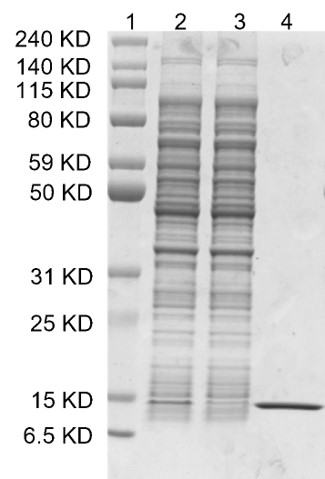
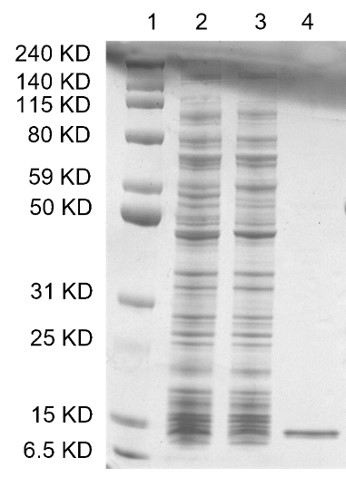
GenScript’s MonoRab™ Anti- Humanized VHH Affinity Resin FF (Cat. No. L00951) is designed for purification of humanized VHH single domain antibody from commonly used protein expression systems such as bacteria, yeast and mammalian cells. The VHH single domain antibody in cell lysate can specifically bind to the Anti- Humanized VHH monoclonal antibody coupled to the resin. Nonspecific binding reactions are eliminated by stringent washing steps, and the purified target protein is eluted with a high recovery rate. Table 1 lists the main characteristics of GenScript’s MonoRab™ Anti- Humanized VHH Affinity Resin FF.
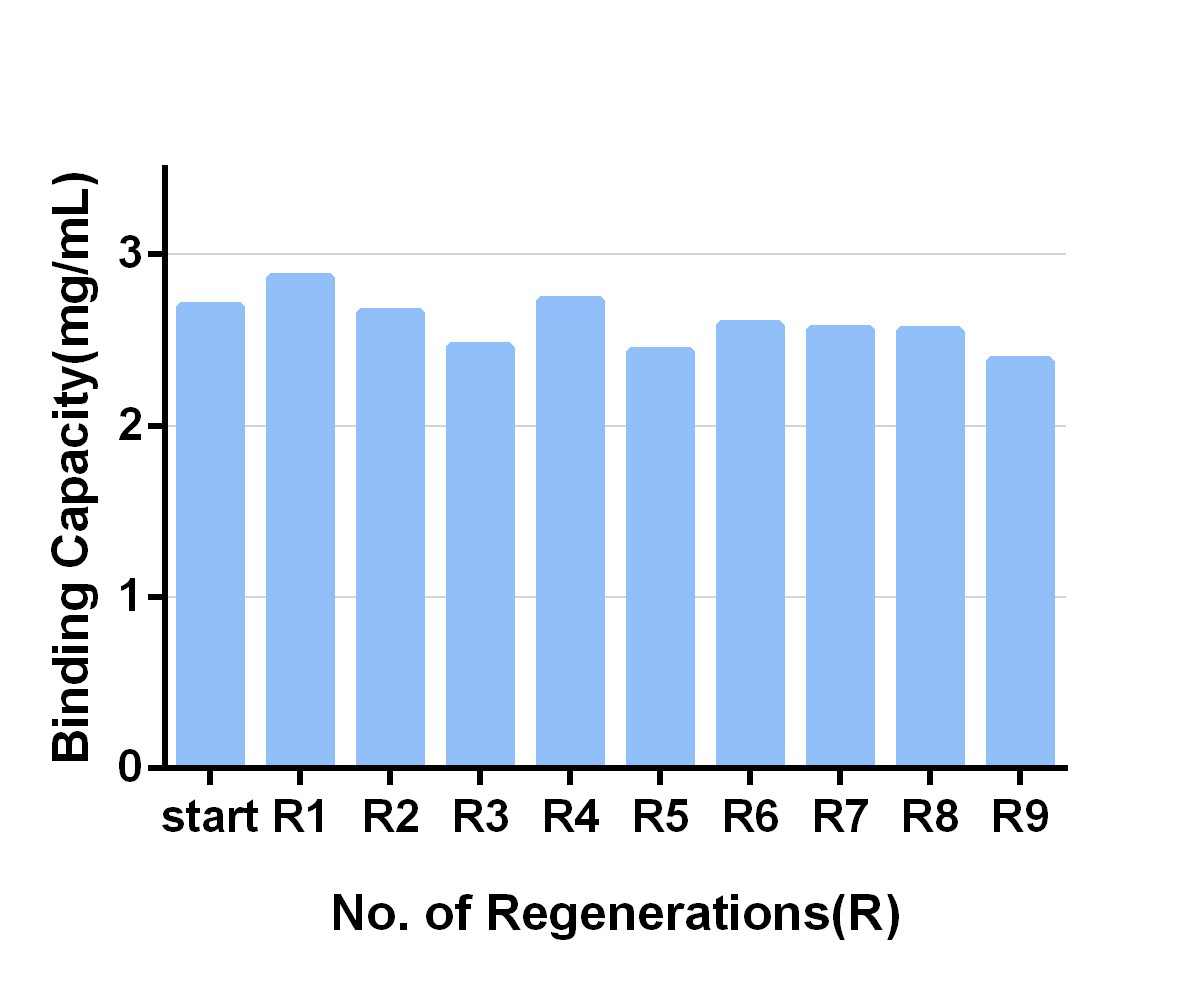
Table 1. Characteristics of Anti-Humanized VHH Affinity Resin FF| Product content | 50% settled resin in TBS with 0.02% sodium azide | | Matrix | 4% highly cross-linked agarose | | Average bead size | 90 μm | | Ligand | MonoRab™ Anti-Humanized VHH Antibody | | Binding capacity | ≥ 2 mg VHH protein/ml settled Resin (depending on amino acid sequence of different Humanized VHHs) | | Storage and stability | Store at 2-8 °C for 12 months. Do not freeze the resin. | | Resin reuse | When stored at 2 - 8° C, the resin can be recycled at least 5 times with no loss of binding capability. While, it can be reused up to 10 times with minimum loss of binding capability. | | Elution method | Acid buffer elution (pH 2.5) | | Reagents compatibility | Compatible with commonly used bacterial lysis reagents. For reagents compatible with purifications, see tables 2 and 3 in the manual.
|
|